AI in Healthcare Administration: A Complete Overview
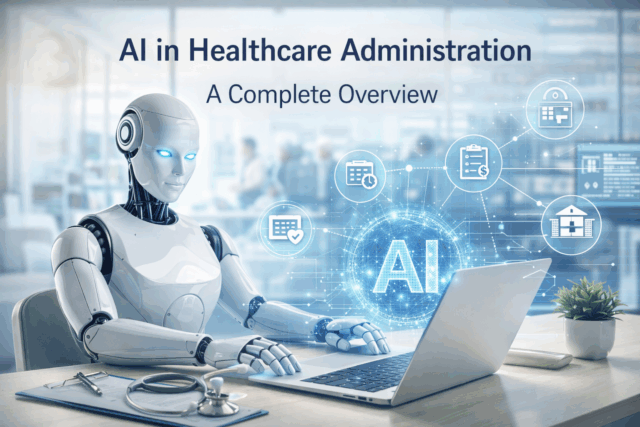
Artificial intelligence is rapidly moving beyond clinical applications and into the administrative core of healthcare organizations. From scheduling and billing to staffing and compliance, AI is reshaping how healthcare systems operate behind the scenes. As financial pressures increase and workforce shortages persist, healthcare leaders are turning to AI to improve efficiency, reduce manual workload, and support better decision-making across administrative...
How Healthcare Organizations Can Navigate Security Changes Linked to HIPAA Updates
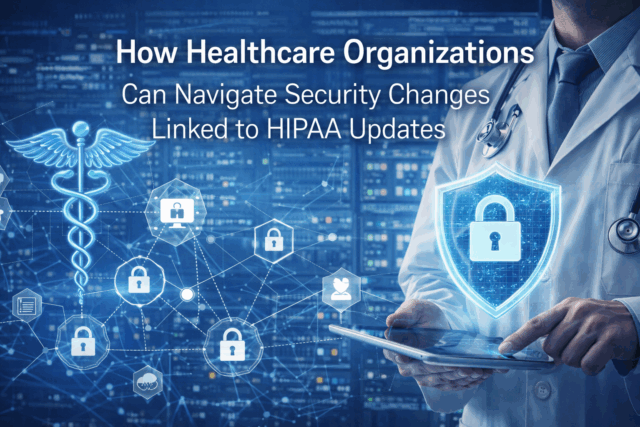
Healthcare security requirements are evolving as digital systems, cloud platforms, and connected medical devices become deeply embedded in care delivery. Recent HIPAA updates reflect this shift, placing greater emphasis on modern cybersecurity risks, accountability, and operational resilience. For healthcare organizations, navigating these changes is not simply a compliance exercise—it is a strategic priority that directly affects patient trust, operational continuity,...
The Anatomy of a Smart Hospital: Why Facilities Are Central to the Future of Care

The idea of a smart hospital has moved well beyond innovation pilots and experimental technologies. Across the U.S. healthcare system, hospitals are being reimagined as connected, intelligent environments where infrastructure, data, and clinical care operate as one integrated ecosystem. At the heart of this transformation is a clear realization:smart care delivery is only possible when facilities are designed to support...
Healthcare security posture strategies in 2026 – building resilience in digital hospitals
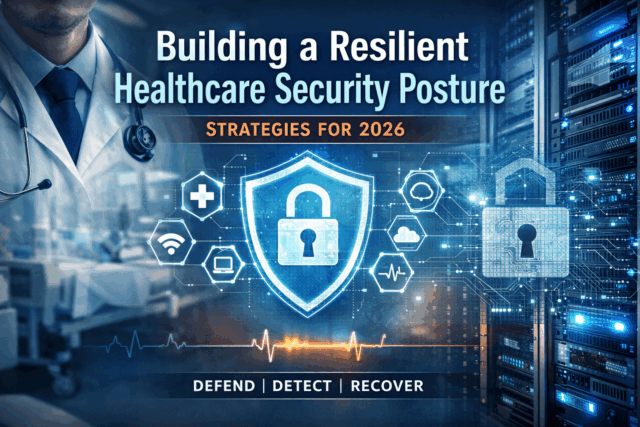
In the evolving digital health landscape of 2026, cybersecurity is no longer just a technical issue—it’s a matter of patient safety, operational continuity, and institutional trust. With ransomware attacks, phishing scams, and data breaches becoming increasingly common, healthcare systems must build a resilient security posture that goes beyond prevention. Understanding Security Posture in Healthcare A healthcare organization’s security posture reflects its...
5 Key Questions to Ask About Liquid Cooling Technologies

As data centers support increasingly demanding workloads—AI, machine learning, advanced analytics, and real-time healthcare systems—traditional air cooling is reaching its limits. Liquid cooling technologies are emerging as a viable solution to manage higher power densities and improve thermal efficiency. However, adopting liquid cooling is not a simple plug-and-play decision. Facilities and IT leaders must evaluate technical, operational, and financial implications...
Understanding Advanced Persistent Threats in Healthcare: Risks and Readiness
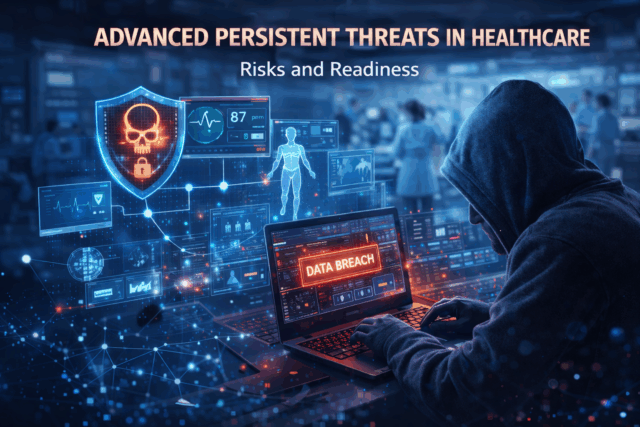
Cybersecurity remains one of the most critical challenges for healthcare organizations today. As technology becomes more embedded in clinical workflows — from electronic health records to connected medical devices — cybercriminals are deploying increasingly sophisticated methods to breach systems and steal sensitive information. Among the most dangerous of these cyberattacks are Advanced Persistent Threats (APTs) — stealthy, long‑term attacks designed...
Why Data Centers Are Critical to Healthcare Hybrid Infrastructure
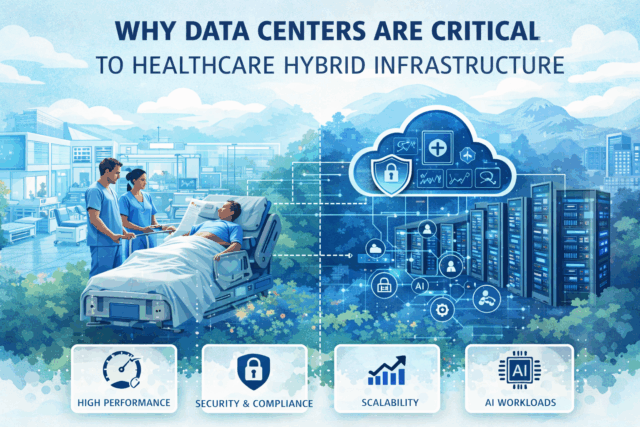
In today’s digital healthcare landscape, data is at the heart of nearly every clinical and operational function. From electronic health records to advanced imaging systems and AI‑driven analytics, healthcare organizations depend on fast, secure, and reliable access to data. To meet those demands, modern healthcare IT environments are evolving toward hybrid infrastructures that blend cloud services with on‑premises data...
Observability in Healthcare IT: Strengthening Security and Streamlining Workflows
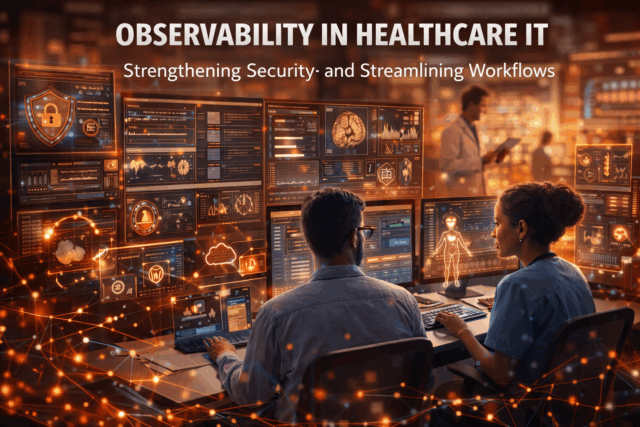
Healthcare organizations rely heavily on digital systems to deliver quality patient care, manage clinical data, and support critical business functions. However, the complexity of modern healthcare IT environments — including cloud infrastructures, clinical applications, and connected medical devices — has created challenges for IT and security teams tasked with ensuring system performance and protecting sensitive data. To address these challenges,...
AI in Pediatric Healthcare: Opportunities, Challenges, and Real‑World Impact
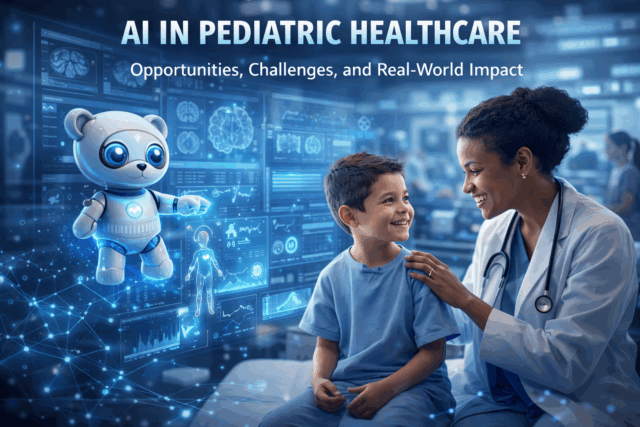
Artificial intelligence (AI) is rapidly transforming healthcare — and pediatric medicine is no exception. Hospitals and children’s health systems are beginning to integrate AI tools across both clinical and administrative areas in ways that improve efficiency, support care decisions, and reduce the burden on clinical teams. From assisting clinicians in documentation to enhancing diagnostics and improving workflow automation, AI is...
How 3D Printing Is Transforming Defense Manufacturing in 2025
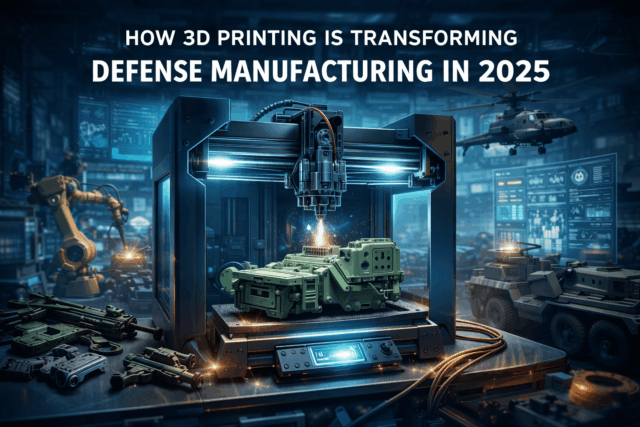
Manufacturing technology has long been a strategic resource in defense — but in 2025, additive manufacturing (also known as 3D printing) is no longer just an experimental tool. Defense leaders are increasingly moving from research and prototyping into full‑scale deployment of 3D printing capabilities that are reshaping how military equipment is designed, produced, and sustained. This transition from “futuristic potential”...