
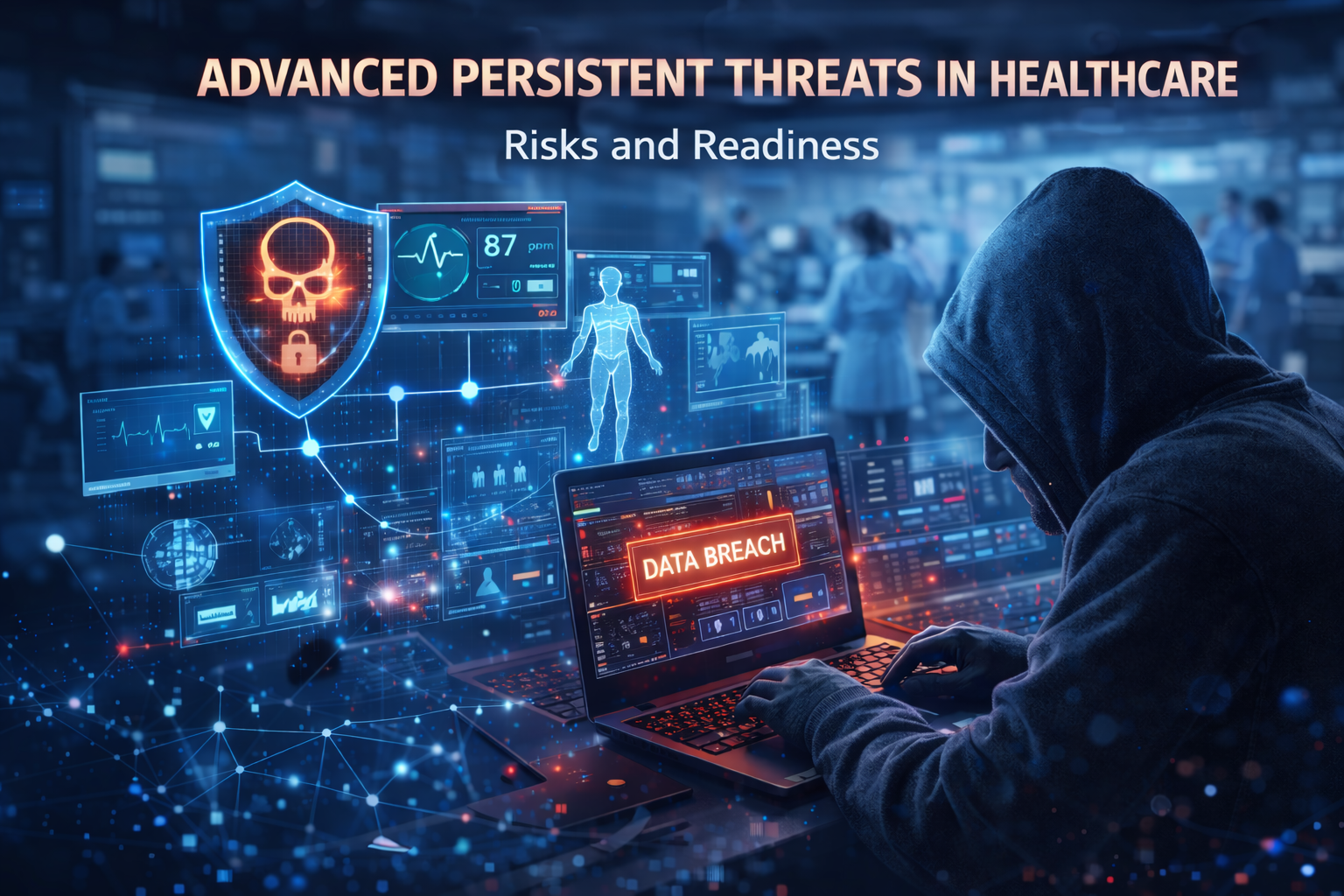
Cybersecurity remains one of the most critical challenges for healthcare organizations today. As technology becomes more embedded in clinical workflows — from electronic health records to connected medical devices — cybercriminals are deploying increasingly sophisticated methods to breach systems and steal sensitive information.
Among the most dangerous of these cyberattacks are Advanced Persistent Threats (APTs) — stealthy, long‑term attacks designed to infiltrate networks, remain undetected, and collect valuable data over time. These threats are especially concerning for healthcare providers, where disruptions can directly impact patient care and privacy.
What Are Advanced Persistent Threats (APTs)?
Advanced Persistent Threats are a class of cyberattack in which threat actors gain unauthorized access to an organization’s network and remain inside for extended periods — sometimes months or even years. Rather than seeking immediate disruption or financial gain, APT attackers aim to monitor, study, and exfiltrate data slowly and covertly.
Unlike common malware or ransomware that triggers alerts quickly, APTs are designed to evade detection and blend into normal network activity. Once inside, attackers may move laterally across systems, elevate privileges, and target high‑value data such as patient records, research files, or proprietary information.
Why Healthcare Is a Prime Target

Healthcare systems are particularly attractive to APT actors for several reasons:
- Sensitive Data: Patient health information is among the most valuable types of data, often fetching high prices on underground markets.
- Critical Operations: Interruptions to healthcare services can have serious consequences, making organizations more likely to pay ransom to restore systems.
- Complex Environments: Hospitals often use a mix of legacy systems, mobile devices, and connected medical equipment — increasing the potential attack surface.
- Trust‑Driven Culture: Healthcare staff are trained to help and collaborate, which can make social engineering attacks more effective against clinical teams.
The combination of these factors makes healthcare a high‑value and high‑impact target for persistent, well‑resourced cyber adversaries.
Characteristics of APTs
Advanced Persistent Threats stand apart from other cyberattacks due to:
1. Persistence
APTs are not quick hit‑and‑run attacks. They are designed to stay inside a network silently for long durations, gathering intelligence and awaiting opportunities to strike.
2. Stealth and Evasion
These threats use sophisticated techniques to avoid detection by traditional security tools. By mimicking normal user behavior, they can evade alerts and move undetected.
3. Targeted Objectives
Instead of random attacks, APTs are often strategically planned and focused on specific organizations, data sets, or systems — making them more difficult to generalize and defend against.
Examples of APT Activity in Healthcare
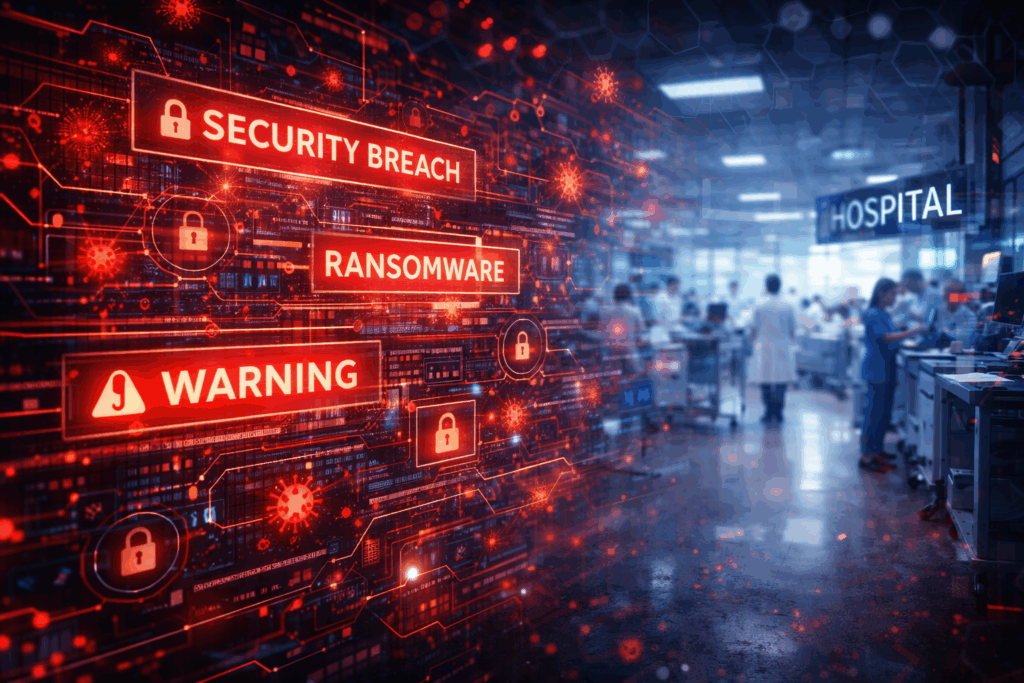
Healthcare organizations have experienced major cyber threats that highlight the impact of long‑term breaches. In past incidents, cyber actors used stealthy access methods to infiltrate systems and caused widespread operational disruption, forcing facilities to revert to manual procedures and endure prolonged recovery efforts. These cases demonstrate how deeply attackers can affect care delivery when networks and clinical systems are compromised.
Best Practices for Healthcare Preparedness
Protecting against APTs requires a blend of technology, training, and strategy:
1. Robust Monitoring and Detection
Implement advanced threat monitoring tools that go beyond basic alerts. Systems that correlate behavior across endpoints can help spot subtle signs of suspicious activity early.
2. Zero Trust Security Models
Zero Trust approaches assume breach rather than trust. Continuous authentication, least‑privilege access, and microsegmentation limit attacker movement once inside a network.
3. Regular Patch and Update Management
Keeping software and firmware up to date closes known vulnerabilities that APT actors often exploit to gain initial access.
4. Employee Awareness Training
Since APTs often begin with credential theft or social engineering, training staff to recognize phishing and suspicious requests strengthens the first line of defense.
5. Incident Response and Resilience Planning
Plan ahead for breaches with clear response protocols, data backups, and continuity strategies to minimize disruption when threats are detected.
Beyond Prevention — Building Resilience
While strong defenses are essential, the reality is that cyber adversaries will continue evolving their methods. Healthcare organizations must balance prevention with resilience — ensuring they not only block threats but also recover quickly and maintain care continuity if compromises occur.
This means investing in layered defenses, ongoing security training, and redundancies that keep critical systems running even under attack.
Conclusion
Advanced Persistent Threats represent one of the most sophisticated and long‑lasting cybersecurity risks facing healthcare today. Their stealthy nature, strategic targeting, and potential to remain hidden for extended periods make them a significant challenge for clinical and IT leaders alike.
By understanding what APTs are, why healthcare is at risk, and how to strengthen internal defenses and detection capabilities, organizations can improve their cyber resilience and better protect both patient data and care delivery systems.

 are, why they pose a serious risk to healthcare organizations, and how providers can boost cyber resilience to protect patient care and clinical systems.)