As healthcare shifts toward more connected, technology-driven operations, organizations across North America are prioritizing the integration of Integration Reference Architecture (IRE) and Epic Systems. This type of digital alignment is no longer optional—it is becoming a core infrastructure requirement for any healthcare facility aiming to deliver safe, efficient, and coordinated patient care.
In 2025, the combination of IRE and Epic is redefining how hospitals manage data, streamline workflows, and support interoperability across an increasingly complex clinical ecosystem.
What Is IRE and Why Does It Matter?
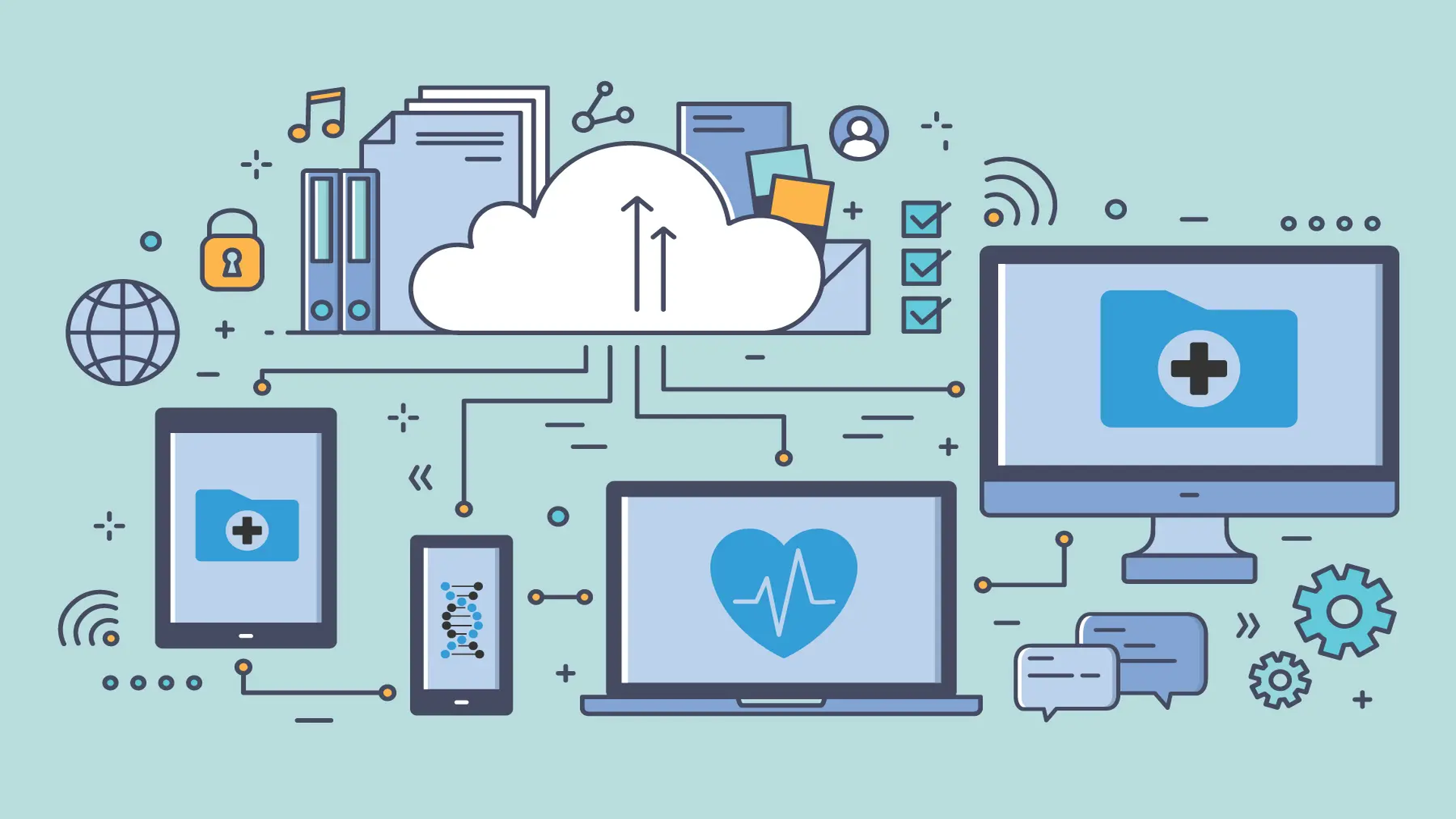
The Integration Reference Architecture (IRE) is a structured framework that standardizes how healthcare data moves between systems. Instead of relying on fragmented tools and one-off interfaces, IRE provides:
- A unified way to connect applications
- A scalable integration model
- Better governance for data flow
- A modern approach to interoperability
In simple terms, IRE acts as the “digital backbone” that ensures all clinical, operational, and administrative systems communicate efficiently and securely.
For facilities dealing with multiple systems—pharmacy, lab, radiology, billing, IoT devices—IRE ensures every connection follows a consistent, manageable structure.
Why Epic Remains Central to Hospital IT Strategies
Epic continues to dominate the electronic health record (EHR) landscape because of its reliability, scale, and comprehensive clinical modules. Hospitals are increasingly investing in Epic due to:
- Its ability to consolidate patient data
- Strong clinical decision-support tools
- Proven operational efficiencies
- Wide adoption among major healthcare networks
For Epic-driven organizations, seamless and governed integrations are critical. That is where IRE becomes essential.
How IRE and Epic Work Together
Healthcare organizations need IRE and Epic integration because the combination enables a unified, standards-based approach to EHR connectivity. The integration supports:
1. Stronger Interoperability
Epic is powerful, but hospitals still use dozens of third-party solutions. IRE ensures these external systems can connect to Epic smoothly, securely, and consistently.
2. Reduced Technical Debt
Traditionally, integrations are built as point-to-point connections. Over time, this creates complexity and maintenance burdens.
IRE eliminates unnecessary custom interfaces by providing a reusable, centralized architecture.
3. Streamlined Workflows
Clinical teams depend on clean, real-time data.
IRE and Epic integration ensures information flows correctly between:
- Bedside devices
- Laboratory systems
- Radiology systems
- Pharmacy solutions
- Scheduling and registration tools
This reduces errors, improves response times, and enhances clinical decision-making.
4. Better Security and Compliance
Standardized architecture means better audit controls, improved logging, and consistent security models—critical for HIPAA compliance and modern cybersecurity requirements.
5. Faster Innovation Adoption
Healthcare organizations want to adopt AI, analytics, digital front-door solutions, and IoT-based facility management tools.
A consistent integration framework makes new technology easier to implement.
Why 2025 Is the Turning Point
Several forces are pushing healthcare systems toward adopting IRE and Epic together:
- Increased pressure to improve interoperability across health networks
- A surge in virtual care, remote monitoring, and cloud-based tools
- Demand for integrated analytics platforms and AI workloads
- Aging legacy interfaces that limit efficiency
- The need to reduce operational costs
Healthcare organizations recognize that piecemeal integration strategies are no longer viable.
IRE provides the foundation, and Epic acts as the clinical core.
Together, they form a future-ready IT ecosystem.
What This Means for Healthcare Facilities and IT Leaders
For facilities management, IT departments, and executive teams focused on modernization, IRE-Epic integration offers:
- A structured migration path to digital transformation
- Better alignment with enterprise architecture standards
- Stronger support for vendor-neutral solutions
- Simplified long-term maintenance
- Improved scalability as patient data volume grows
Hospitals planning upgrades, expansions, or system-wide modernization initiatives should consider IRE and Epic alignment as part of their strategic roadmap.
Conclusion
Integration has always been a challenge in healthcare, but in 2025, organizations have a clear path forward.
By combining Integration Reference Architecture (IRE) with Epic’s clinical ecosystem, healthcare facilities gain a powerful, standardized framework that enhances interoperability, strengthens security, and supports long-term digital growth.
For any organization aiming to modernize operations, improve patient outcomes, and build a resilient healthcare infrastructure, this integration is becoming a strategic necessity.