Future-Proofing Healthcare Real Estate: How to Build Facilities That Outlast the Tech Cycle
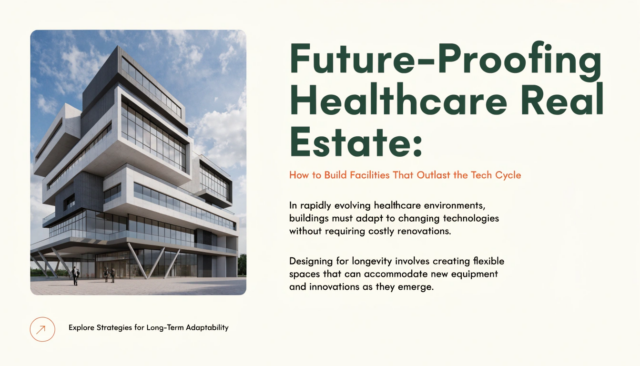
Health systems nationwide are aggressively expanding their physical footprints. Between building new ambulatory care centers, opening neighborhood micro-hospitals, and modernizing existing clinical wings, brick-and-mortar healthcare real estate is seeing a massive capital boom. However, this expansion introduces a high-stakes paradox: How do you design a physical building meant to last fifty years when the medical technology inside it changes every...
Navigating the New Normal: Building a Resilient Healthcare IT Infrastructure Amid Supply Chain Volatility
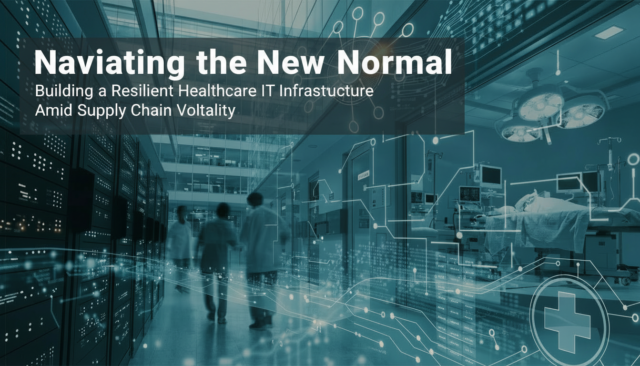
If your organization has been waiting for the technology supply chain to "return to normal," it may be time to rethink that strategy. Permanent volatility is the new baseline for IT procurement. Driven by global component shortages, surging demand for specialized hardware, and complex logistics bottlenecks, healthcare systems face a landscape where acquiring tech is a continuous hurdle. This volatility...
Targeting Trust: Critical Healthcare Lessons from the 2026 Stryker Cyberattack
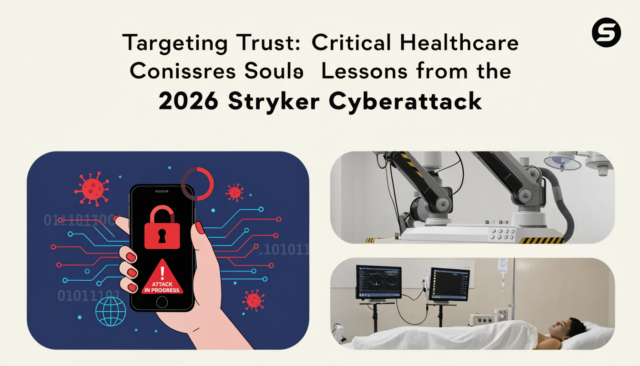
The conversation around healthcare cybersecurity usually revolves around protecting patient data from a breach or shielding medical equipment from ransomware. But the massive cyberattack on medical technology giant Stryker Corporation fundamentally altered the threat landscape. The incident didn't rely on complex ransomware to hold files hostage, nor did it target clinical endpoints directly. Instead, it targeted something far more foundational:...
Beyond the Backup: Why Clinical Care Resilience is Healthcare’s New North Star

In the modern healthcare landscape, "downtime" is no longer just an IT headache—it’s a clinical emergency. For years, hospital disaster recovery plans focused on short-term outages or mass casualty events. But as cyberthreats like ransomware become more sophisticated and healthcare’s reliance on AI grows, a new priority has emerged: Clinical Care Resilience. Based on recent insights from industry leaders at the...
The Hidden Costs of Waiting to Talk About Senior Care
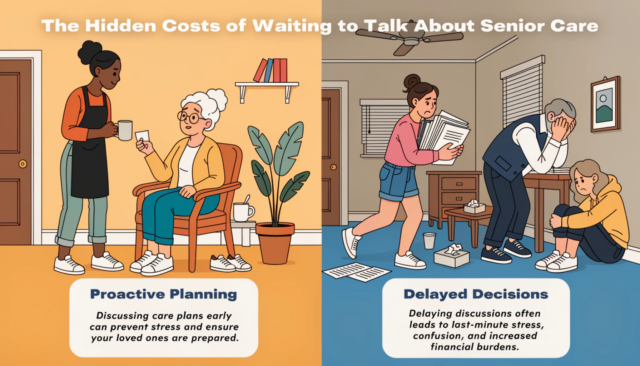
For many families, conversations around senior care and aging are often delayed or avoided altogether. It is an emotional topic that brings concerns about independence, finances, and changing family dynamics. Because of this discomfort, people tend to postpone planning, assuming there will always be more time later. However, delaying these discussions can lead to serious consequences. The need for care...
The Modernization Imperative in Medical Affairs: Are You Ready to Lead or Forced to Follow?
The life sciences landscape is changing faster than most Medical Affairs teams are equipped to handle. Scientific pipelines are growing more complex, therapeutic areas are expanding, and healthcare professionals — already stretched thin — expect interactions that are not just timely, but deeply contextual and evidence-led. The old playbook is not just outdated; in many cases, it is actively...
The Future of Staffing: How Predictive Scheduling is Transforming Healthcare Operations
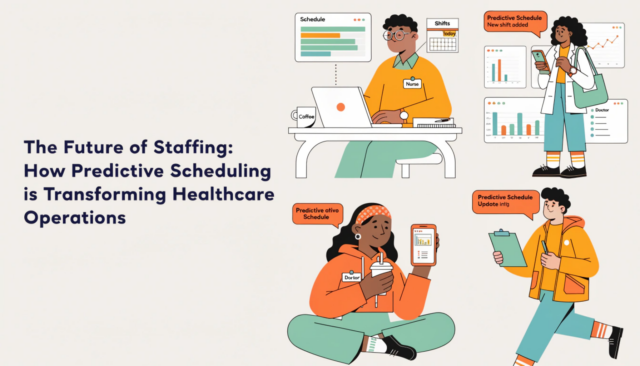
In today’s high-pressure healthcare environment, outdated staffing methods are quickly becoming a liability. Spreadsheets and manual scheduling simply can’t keep up with fluctuating patient demand, ongoing clinician shortages, and the growing complexity of care delivery. A recent feature by HealthTech Magazine highlights how leading institutions like Duke University Health System are embracing predictive scheduling systems—and why this shift is no...
The Winning Hybrid: Why the Best Customer Experience Blends AI with the Human Touch
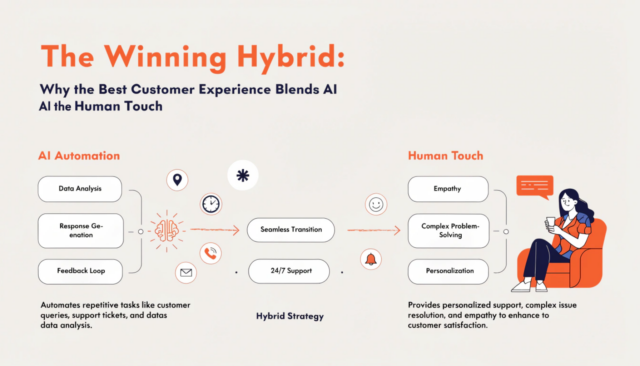
In an era of rising costs and instant gratification, customer expectations have never been higher. Today’s consumers don’t just want a solution; they want it now, they want it accurately, and they want it to feel personal. For many businesses, the influx of inquiries can feel like a tidal wave. This is where Artificial Intelligence (AI) steps in—not to replace...
What Health Systems Need to Know About Microsoft Dragon Copilot
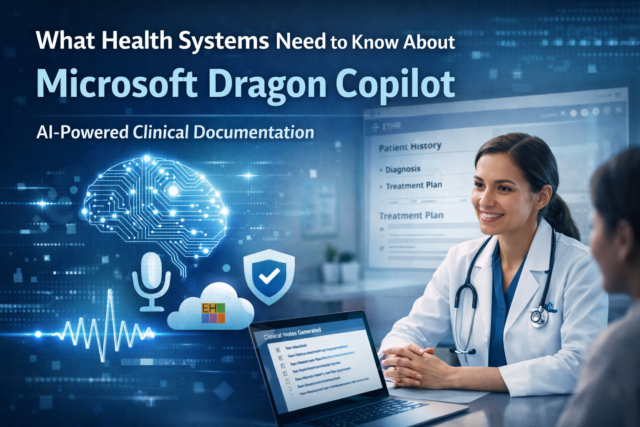
Healthcare systems are rapidly adopting artificial intelligence to reduce administrative burden, improve clinical documentation, and enhance patient care. One of the most promising new tools in this space is Microsoft Dragon Copilot, an AI-powered clinical assistant designed specifically for healthcare professionals. Built by Microsoft in collaboration with Nuance Communications, Dragon Copilot combines advanced speech recognition with generative AI to streamline...
How Automation Is Transforming Frontline Work: Confidence, Retention, and Workforce Value
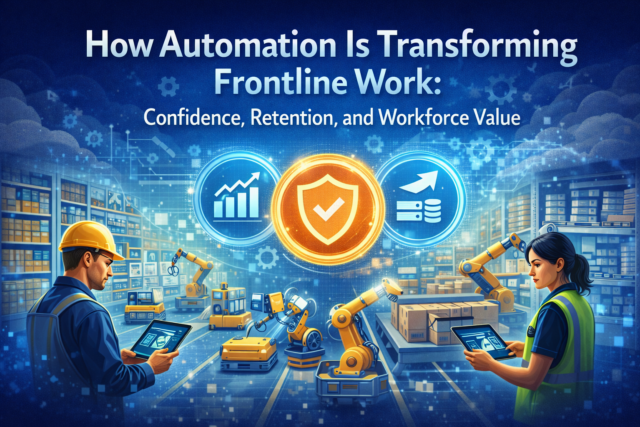
Manufacturing and logistics industries around the world are facing two major challenges: labor shortages and high employee turnover. These problems disrupt operational stability, increase risk, and affect service reliability. Today, employee satisfaction is no longer just an HR issue — it has become a key factor for business competitiveness. Automation is often associated with productivity improvements and cost savings. However, its...