MOST POPULAR

The Invisible Assistant: How Ambient AI is Saving Doctors From Burnout
Imagine walking into a doctor’s office. Instead of looking at you, your physician spends three-quarters of the visit staring at a monitor, typing furiously...
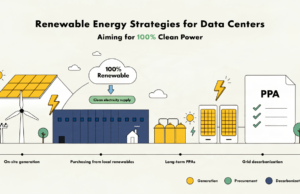
Renewable Energy Strategies for Data Centers Aiming for 100% Clean Power
Data centers are becoming the backbone of the digital economy, supporting everything from cloud computing and artificial intelligence to streaming, financial services, enterprise applications,...
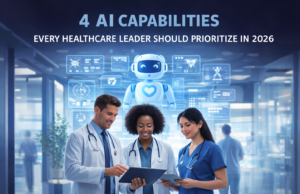
4 AI Capabilities Every Healthcare Leader Should Prioritize in 2026
Artificial intelligence is no longer a future concept in healthcare. It is actively reshaping how hospitals operate, how clinicians deliver care, and how patients...
LATEST ARTICLES
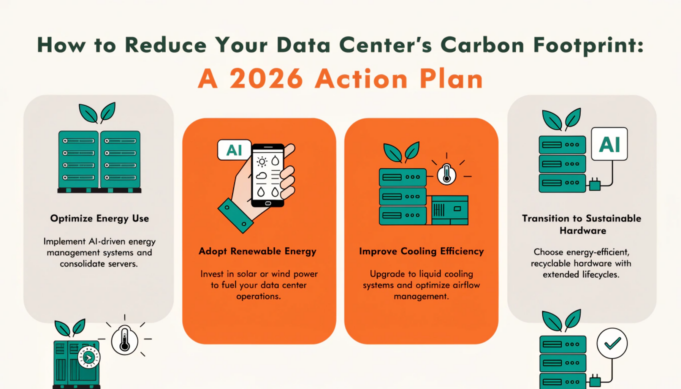
Data centers are the backbone of the digital economy, supporting cloud computing, artificial intelligence, streaming, enterprise applications, and countless connected services. But this growing digital infrastructure also comes with a significant environmental cost. Rising electricity consumption, cooling requirements, hardware...
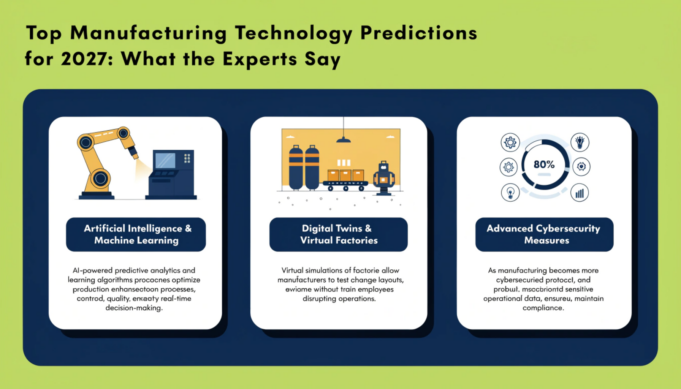
Manufacturing is entering a new phase of technological transformation. The factory of 2027 will not simply be more automated than today’s factory; it is likely to be more connected, intelligent, adaptive, and data-driven. Artificial intelligence, robotics, digital twins, industrial...
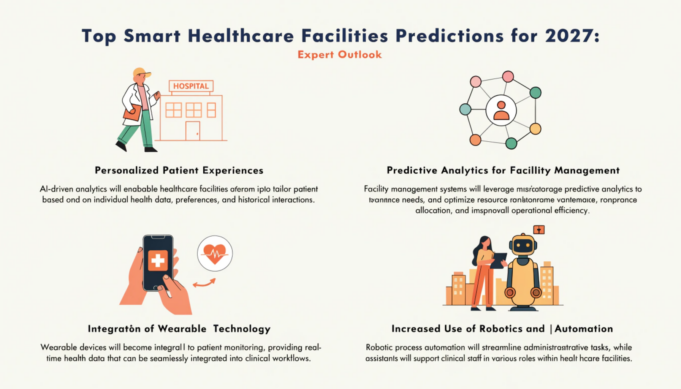
Healthcare facilities are entering a new phase of digital transformation. Hospitals are no longer looking at technology simply as a way to automate administrative tasks or digitize medical records. Increasingly, technology is becoming part of the physical infrastructure that...
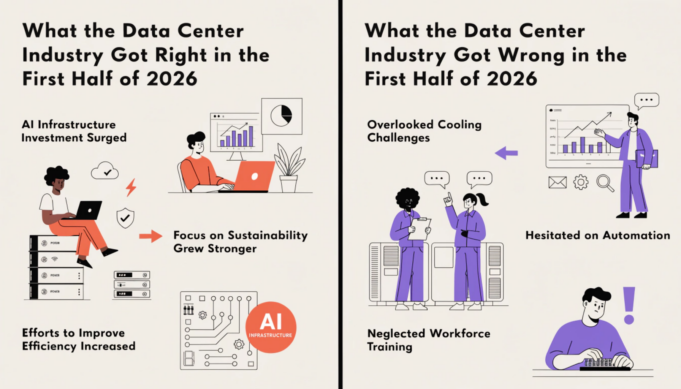
The first half of 2026 has been a defining period for the data center sector. Artificial intelligence continued to accelerate demand for compute capacity, while power availability, cooling requirements, construction timelines and regulatory pressure became increasingly important to infrastructure...
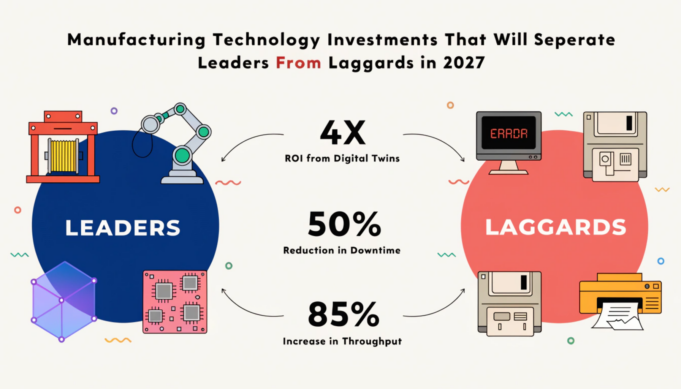
Introduction
Manufacturing is entering a new phase of digital transformation. For years, manufacturers invested in automation, connected equipment, cloud platforms, analytics, and industrial software. In 2027, however, simply having advanced technology will no longer be enough. The companies that gain...
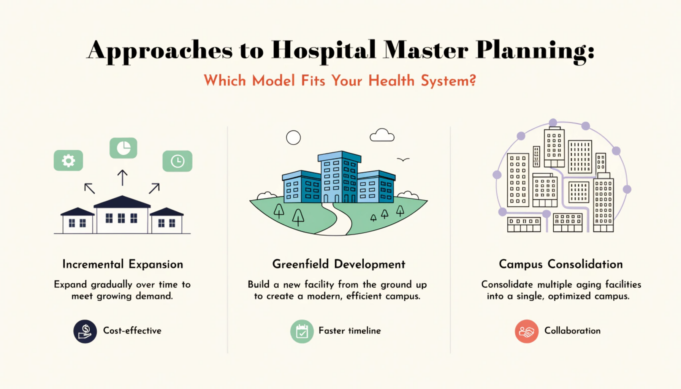
Hospital development is no longer simply about adding beds, expanding departments, or constructing new buildings. Health systems today are balancing changing patient expectations, rising operational costs, workforce pressures, technology adoption, sustainability goals, and increasingly complex models of care. A...
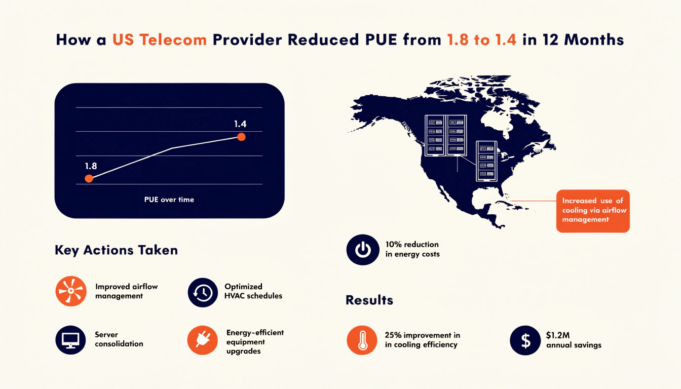
Data center efficiency has become a strategic priority for telecom providers as workloads grow, energy prices fluctuate, and sustainability expectations increase. For operators managing large infrastructure footprints, improving efficiency is not simply about reducing electricity consumption. It is about...
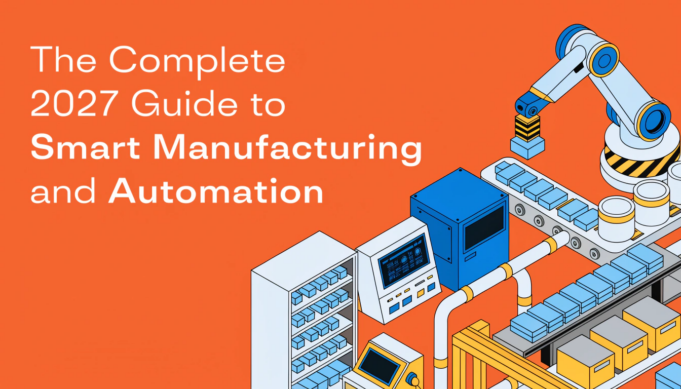
Manufacturing is entering a new phase in which automation, connected equipment, artificial intelligence, real-time analytics, robotics, and intelligent decision-making are becoming central to how factories operate. As manufacturers face pressure to improve productivity, reduce costs, respond faster to customer...
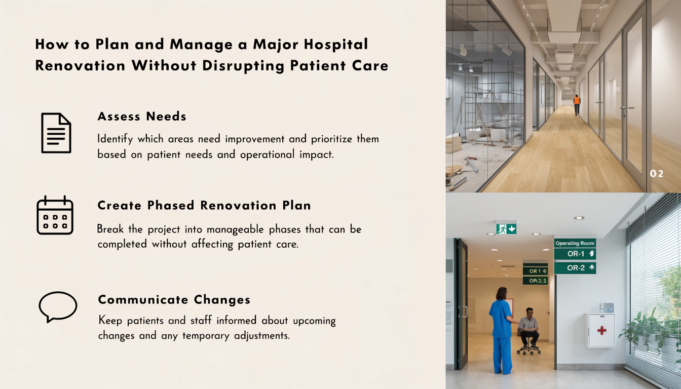
Renovating a hospital is very different from renovating a conventional commercial building. Hospitals operate around the clock, serve vulnerable patients, depend on critical infrastructure, and contain highly specialized clinical environments. Even a temporary disruption to power, water, ventilation, access,...
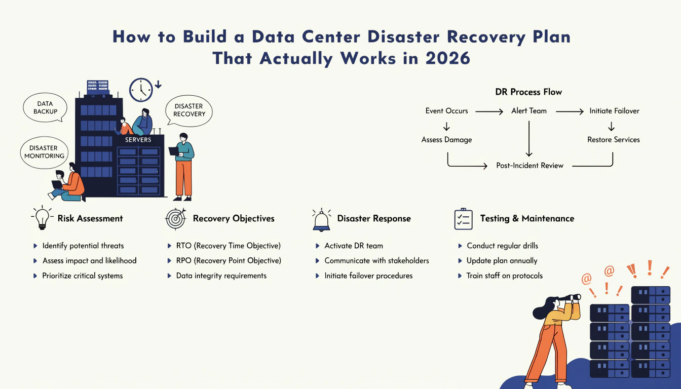
Data centers have become the backbone of modern business operations. From financial transactions and healthcare systems to cloud applications, manufacturing processes, and customer-facing platforms, organizations increasingly depend on continuous access to digital infrastructure. As this dependence grows, even a...