Over the past five years, telehealth has evolved from a supplementary healthcare option into a core component of modern care delivery. What was once viewed as a convenience feature has become a strategic necessity, reshaping how healthcare organizations design services, manage facilities, and engage patients.
This transformation has not been driven by technology alone, but by changing patient expectations, operational pressures, and the need for more resilient healthcare systems.
From Temporary Solution to Permanent Care Model
Five years ago, telehealth was often limited to pilot programs or niche use cases such as rural consultations or follow-up visits. Many healthcare organizations approached it cautiously, concerned about clinical effectiveness, reimbursement, and patient adoption.
Today, telehealth is no longer treated as a temporary or emergency solution. It has matured into a permanent care model that supports routine visits, chronic condition management, mental health services, and post-discharge follow-ups. Healthcare organizations now plan telehealth services with long-term sustainability in mind.
Shift in Patient Expectations
Patients have become more comfortable with receiving care outside traditional clinical settings. Over the years, they have come to expect:
- Faster access to providers
- Flexible appointment options
- Reduced travel and wait times
- Continuity of care from home
Telehealth has moved from being an optional alternative to a standard expectation, particularly for non-emergency and ongoing care. Healthcare providers now design services around patient convenience while maintaining clinical quality.
Integration Into Everyday Clinical Workflows
In the past, telehealth often operated separately from in-person care. This created fragmented workflows and inconsistent patient experiences. Over time, healthcare organizations recognized the need to integrate virtual care into everyday clinical operations.
Modern telehealth approaches now align closely with:
- Scheduling systems
- Care coordination processes
- Documentation and follow-ups
- Multidisciplinary care teams
This integration ensures that virtual visits complement in-person care rather than compete with it.
Impact on Healthcare Facilities and Infrastructure
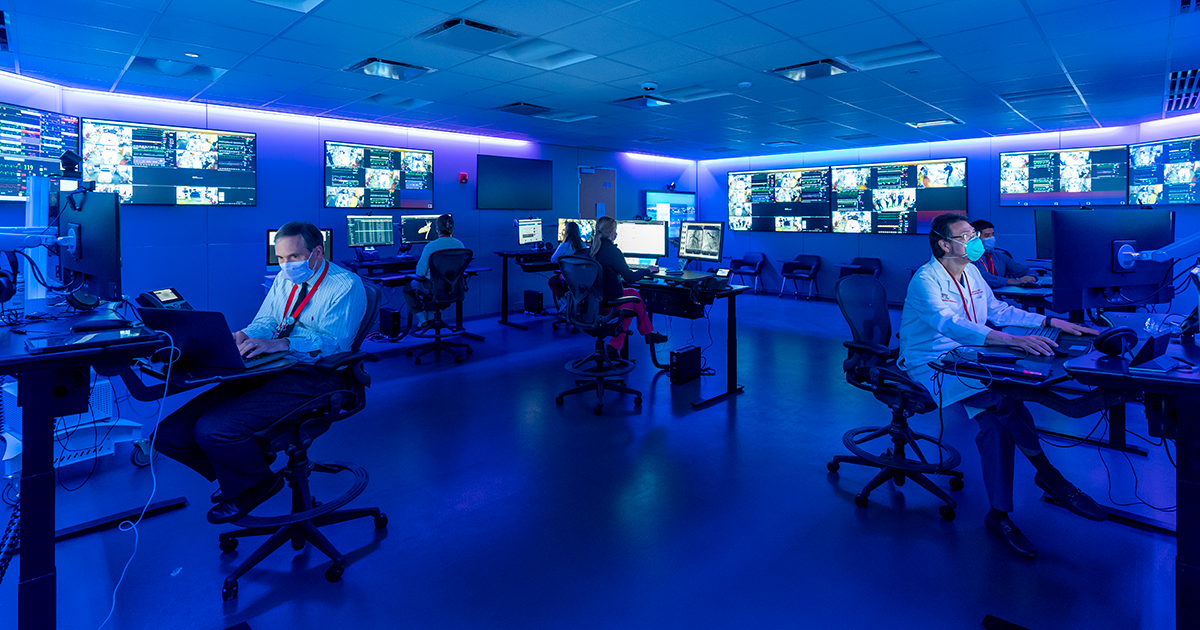
The rise of telehealth has also influenced how healthcare facilities are planned and managed. Organizations are rethinking space utilization, technology infrastructure, and operational workflows.
Changes include:
- Reduced reliance on physical exam rooms for routine visits
- Increased demand for secure digital infrastructure
- Enhanced support for remote monitoring and virtual consultations
- Greater collaboration between clinical, IT, and facilities teams
Telehealth has become a factor in long-term facility upgrade and modernization strategies.
Focus on Quality, Safety, and Consistency
Early telehealth efforts focused primarily on access. Over the past five years, the focus has shifted toward delivering consistent, high-quality care across virtual and physical environments.
Healthcare organizations now emphasize:
- Standardized virtual care protocols
- Training clinicians for effective remote consultations
- Ensuring patient privacy and data security
- Monitoring outcomes to maintain care quality
Telehealth is increasingly held to the same performance and safety standards as in-person care.
Supporting Long-Term Care and Chronic Conditions
Telehealth has proven particularly valuable for managing chronic conditions and supporting long-term care. Regular virtual check-ins allow providers to monitor patients more closely, intervene earlier, and reduce unnecessary hospital visits.
This proactive approach benefits both patients and healthcare systems by improving outcomes while reducing operational strain.
The Future of Telehealth in Healthcare
As healthcare continues to evolve, telehealth is expected to play an even greater role in care delivery. Rather than replacing traditional care, it will function as an integrated extension of healthcare services.
Healthcare organizations that continue to refine their telehealth strategies will be better positioned to improve access, enhance patient satisfaction, and build resilient, future-ready healthcare systems.
Conclusion
Over the past five years, healthcare’s approach to telehealth has undergone a fundamental shift. What began as a limited, reactive solution has matured into a strategic, patient-centered model of care delivery.
For healthcare leaders and facilities planners, telehealth is no longer a separate initiative—it is an essential part of modern healthcare infrastructure and long-term system transformation.