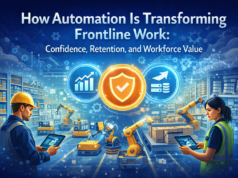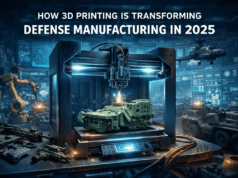

Artificial intelligence is no longer a futuristic concept in manufacturing. From predictive maintenance to real-time quality control, AI is already reshaping how factories operate. But the next leap—AI-led autonomous operations, where systems make decisions with minimal human intervention—raises a bigger question: is the manufacturing sector truly ready for it?
While technology vendors and innovators are moving fast, real-world readiness depends on much more than software alone. Infrastructure maturity, data quality, workforce skills, and governance all play critical roles in determining whether autonomous operations can succeed at scale.
Understanding AI-Led Autonomous Operations
AI-led autonomous operations go beyond automation. Traditional automation follows predefined rules, while autonomous systems use machine learning, computer vision, and advanced analytics to adapt, optimize, and self-correct in real time.
In a fully autonomous manufacturing environment, AI systems can:
- Adjust production schedules based on demand fluctuations
- Detect equipment failures before they happen
- Optimize energy consumption dynamically
- Reduce waste through continuous process learning
However, achieving this level of intelligence requires a strong foundation—something many facilities are still building.
Infrastructure: The Readiness Gap
One of the biggest challenges manufacturers face is infrastructure fragmentation. Many production environments rely on legacy equipment, siloed systems, and inconsistent connectivity between operational technology (OT) and information technology (IT).
AI-led autonomy depends on:
- Reliable industrial networks
- Real-time data availability
- Edge and cloud computing integration
- Interoperable systems across the facility
Without modernized infrastructure, AI systems struggle to deliver accurate insights or autonomous decisions.
Data Quality and Accessibility Matter More Than AI Models
AI is only as effective as the data it learns from. Many manufacturers collect massive volumes of data, but much of it is:
- Incomplete
- Poorly structured
- Locked in isolated systems
Before autonomous operations can become reality, organizations must prioritize data governance, standardization, and accessibility. Clean, contextualized data is essential for AI models to function reliably in mission-critical environments.
Workforce Readiness and Trust
Another often-overlooked factor is the human element. Autonomous operations don’t eliminate people—they change their roles. Engineers, operators, and facility managers must be able to:
- Understand AI-driven recommendations
- Trust automated decisions
- Intervene when exceptions occur
This shift requires reskilling, cross-functional collaboration, and a cultural transition from reactive operations to data-driven decision-making.
Cybersecurity and Risk Management
As manufacturing systems become more autonomous, they also become more connected—and more exposed. AI-led operations expand the attack surface across IT, OT, cloud, and edge environments.
Manufacturers must address:
- OT cybersecurity frameworks
- Secure data pipelines
- AI model integrity
- Regulatory and compliance risks
Autonomy without strong security controls can introduce operational and safety risks that outweigh the benefits.
A Phased Path to Autonomy
For most manufacturers, full autonomy will not happen overnight. The more realistic path involves incremental adoption, such as:
- AI-assisted decision support
- Semi-autonomous production lines
- Autonomous subsystems within controlled environments
These phased implementations allow organizations to build confidence, improve data maturity, and validate ROI before scaling further.
Final Thoughts
AI-led autonomous operations represent a powerful opportunity for manufacturing—but readiness varies widely across the industry. Success depends less on adopting AI quickly and more on preparing facilities strategically.
Manufacturers that invest in modern infrastructure, data foundations, workforce enablement, and cybersecurity today will be best positioned to unlock autonomous operations tomorrow. For others, the journey begins with asking the right questions and building the right foundations—before handing the controls over to AI.