
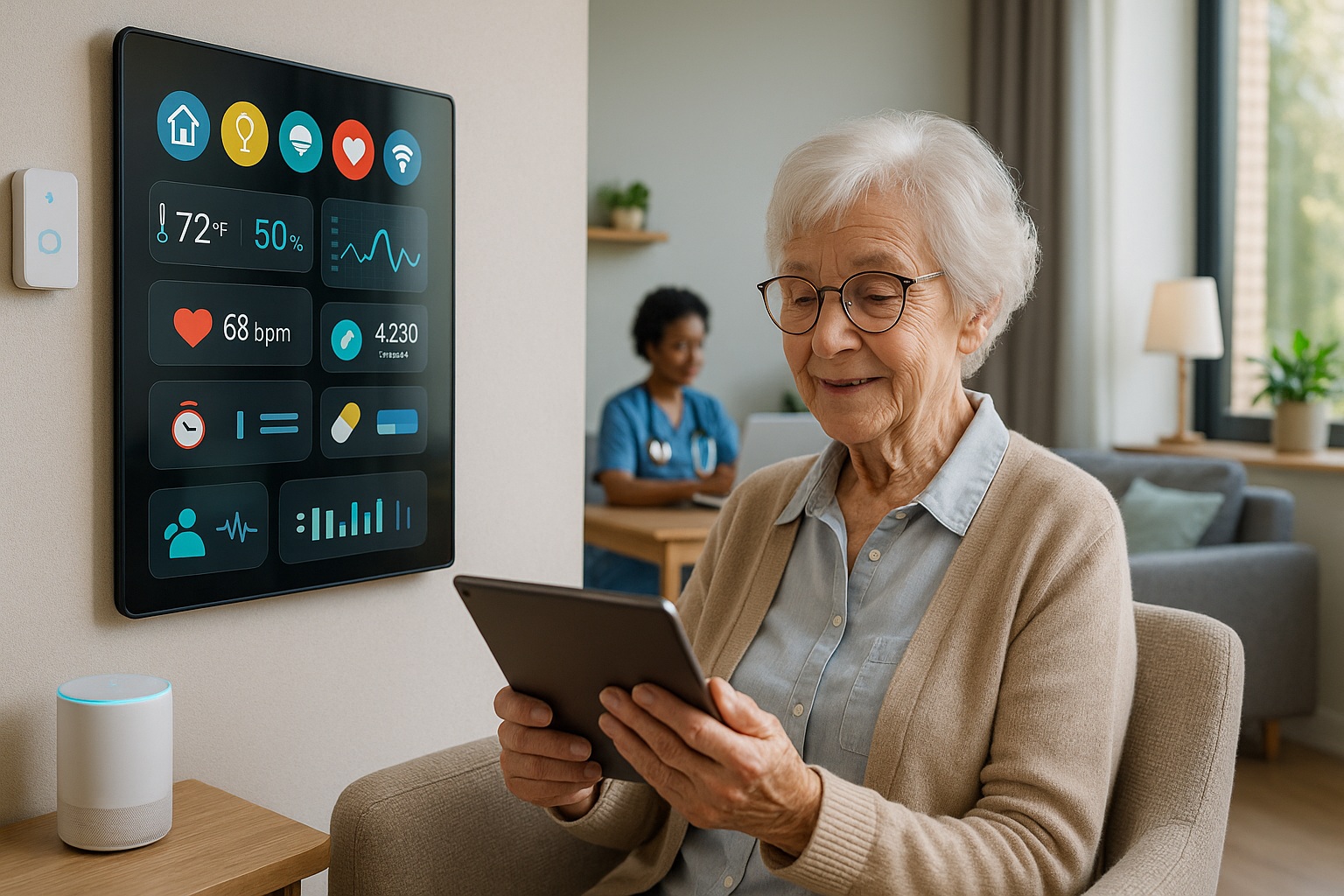
As the global population continues to age, the pressure to deliver safe, personalized, and technologically advanced care for older adults is increasing. LeadingAge 2026, one of the most influential conferences in aging services and senior care innovation, is setting the stage for a future where connected senior living is not an aspiration — but a standard.
At the core of this transformation is the convergence of smart infrastructure, wearable technology, integrated health platforms, and human-centered design to support independence, safety, and community among seniors.
The Urgent Need for Connected Senior Living Models
By 2030, more than 1 in 6 people globally will be over the age of 60, according to WHO projections. This demographic shift brings a set of critical challenges:
- A growing shortage of caregivers
- Increased incidence of chronic conditions
- The need for aging-in-place solutions
- Pressure on senior living operators to offer differentiated, tech-driven services
LeadingAge 2026 emphasizes that traditional facility designs and siloed health systems can no longer meet the demand. The solution lies in smart, connected ecosystems that prioritize aging with dignity and autonomy.
What “Connected Senior Living” Really Means
Connected senior living is more than installing smart sensors or digital health records. It involves seamless integration across physical environments, digital tools, healthcare providers, family members, and the residents themselves.
Key components of this model include:
- IoT-enabled facilities for monitoring safety and wellness
- Digital health platforms for chronic care management
- Telehealth access integrated into living units
- Wearables and remote monitoring for mobility, vitals, and medication adherence
- AI-driven alert systems to reduce falls, missed doses, or emergency delays
- Data interoperability across caregivers, hospitals, and families
- Design strategies that promote accessibility and social interaction
Innovations Highlighted at LeadingAge 2026
At this year’s conference, several technologies and facility designs are gaining traction as leading solutions in the senior care space.
1. Smart Apartments with Integrated Health Dashboards
Future-ready senior living units are being retrofitted with:
- In-room touchscreens that display vitals, appointments, and safety alerts
- Voice-activated lighting and climate control
- Automated medication dispensers connected to health records
- Passive motion sensors to detect unusual activity or inactivity
These features enable residents to manage their day-to-day routines while staying connected to clinicians and family members.
2. IoT and Predictive Analytics for Fall Prevention
Senior living operators are deploying edge computing and AI-powered platforms that:
- Analyze gait patterns and motion data
- Predict fall risks based on behavior and environmental factors
- Send real-time alerts to caregivers before incidents occur
LeadingAge 2026 showcases vendors that integrate these capabilities with smart flooring and wearables for a multi-layered safety net.
3. Family Engagement Platforms
To improve transparency and connection, modern senior living models incorporate digital portals where:
- Family members can view health updates, social activity participation, and staff notes
- Residents can video call with relatives or healthcare providers
- Notifications are sent for important updates or health changes
This supports emotional wellness, a key part of successful aging, while easing the burden on facility staff.
4. Digital Twin and Facility Simulation Tools
Operators and architects are using digital twin technology to simulate resident behavior and facility performance before implementing renovations. This helps improve:
- Layouts for accessibility and fall reduction
- HVAC and lighting for resident comfort
- Staffing efficiency through workflow testing
LeadingAge 2026 featured demonstrations of how AI simulation tools can save capital investment and accelerate ROI.
Bridging the Digital Divide: Training and Inclusion
One of the major concerns with digital senior living is tech literacy. LeadingAge 2026 highlights that success in connected environments depends on:
- Resident training programs for digital tools
- Hiring “digital navigators” to assist residents daily
- Creating tech interfaces with large fonts, voice command options, and simple menus
Connected care cannot succeed without inclusive design and onboarding strategies.
Policy, Data Privacy, and HIPAA Considerations
With connected living comes increased data collection. Senior living communities must ensure:
- Full compliance with HIPAA and elder care regulations
- Cybersecurity frameworks for all IoT devices and platforms
- Transparent data policies for residents and families
LeadingAge 2026 offers compliance toolkits and consulting tracks for operators implementing large-scale tech rollouts.
Looking Ahead: Facilities and Infrastructure Must Lead the Way
Facilities Upgrade professionals — from architects to engineers to healthcare IT consultants — play a critical role in making connected senior living possible. Key recommendations include:
- Designing new facilities with IT network infrastructure baked in
- Retrofitting older buildings with smart lighting, sensors, and climate control
- Collaborating with tech vendors on interoperability standards
- Supporting scalable, modular designs for expanding needs
Conclusion: Building Smart, Compassionate Communities
LeadingAge 2026 makes one point clear: Technology alone will not transform senior living. Success lies in combining innovation with empathy, infrastructure with accessibility, and automation with human connection.
By 2026 and beyond, the most effective senior care communities will be those that blend smart technologies with compassionate care models, enabling seniors to age with confidence, dignity, and freedom.





All the companies in World
The Database:
25 Million Companies Worldwide
Instantly Delivery
Last Update: 17 November 2025
Sample of the Database
Cost:
All prices are charged in South African Rand (conversion is automatic).
Total once off cost is : $29 = R495
https://Anneliese.marketing-c.cfd
Comments are closed.